How AI Is Transforming Health Systems in Africa: Insights from DIDIDA at the AI in Health Africa Conference
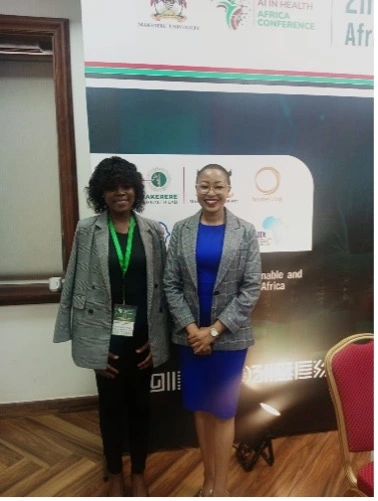
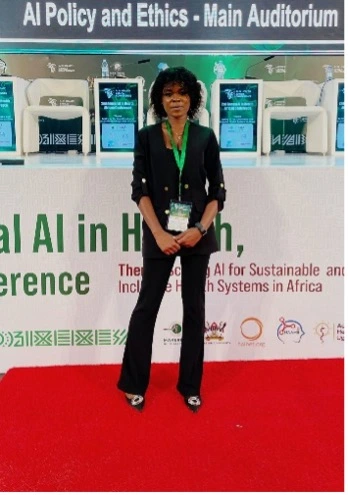
Artificial intelligence is no longer a distant promise for healthcare systems in Africa – it is rapidly becoming a practical, scalable tool capable of reshaping how diseases are diagnosed, monitored, and managed. This shift was at the heart of discussions during the 2nd Annual AI in Health Africa Conference, held at Makerere University in Kampala in November 2025.
Bringing together over 300 stakeholders – from policymakers to researchers and innovators – the conference offered a clear signal: Africa is not simply adopting AI technologies; it is actively shaping how they are designed, governed, and implemented.
For the DIDIDA project, participation in this event was an opportunity not only to contribute to this evolving conversation but also to showcase concrete, field-tested solutions that demonstrate how AI can already deliver impact on the ground.
From Innovation to Implementation: AI at the Frontline of Healthcare
One of the key contributions presented during the conference was based on evidence generated through the ConnDx project, closely aligned with DIDIDA’s broader vision of integrating diagnostics and digital health systems.
The core idea is simple but powerful: use AI to connect frontline diagnostic tools with real-time data systems, enabling faster decision-making and better disease surveillance. In practice, this means that a healthcare worker – whether in a clinic, pharmacy, or community setting – can perform a rapid diagnostic test, capture the result via a mobile application, and instantly contribute to a larger health intelligence system.
The results speak for themselves. In the Kisumu pilot in Kenya, over 26,000 malaria tests were conducted, with AI-assisted interpretation achieving 94.3% agreement with human readings (Cohen’s kappa = 0.90). Beyond accuracy, the system also revealed important structural insights: community-based providers identified nearly twice as many positive cases as traditional facilities, highlighting previously under-detected transmission patterns.
This is where AI becomes transformative – not as a replacement for healthcare workers, but as an enabler of distributed, high-quality care.
Closing the Data Gap in African Health Systems
A recurring theme throughout the conference was the need to address one of the most persistent challenges in African healthcare systems: the fragmentation of data.
In many countries, a significant proportion of patients first seek care in the private or informal sector. Yet, this data is rarely captured in national surveillance systems, creating blind spots that weaken public health responses. As highlighted in the Kisumu study, nearly 40% of patients initially access care outside the public system, meaning that a large share of diagnostic and treatment data remains invisible to policymakers.
AI-powered tools offer a solution by bridging this gap. By digitizing diagnostic results and integrating them into centralized dashboards, these systems enable:
- Real-time epidemiological monitoring
- Improved allocation of healthcare resources
- Faster detection of outbreaks
- More informed clinical decision-making
In other words, AI turns isolated data points into actionable intelligence.
Beyond Technology: The Importance of Context
While technological performance is critical, the conference made one point abundantly clear: AI in healthcare cannot succeed without local adaptation.
Several sessions focused on the importance of designing AI systems that reflect Africa’s linguistic, cultural, and infrastructural realities. Examples ranged from multilingual diagnostic tools to offline-compatible education platforms, all addressing the same underlying challenge – ensuring that innovation remains accessible and inclusive.
This principle is central to DIDIDA’s approach. Whether through diagnostic tools, mobile applications, or data systems, the project prioritizes:
- usability in low-resource settings
- compatibility with existing health infrastructures
- and alignment with local healthcare practices
Because in the end, the most advanced algorithm is only valuable if it can be effectively used where it matters most.
Ethics, Governance, and Trust: The Foundations of AI Adoption
As AI capabilities expand, so do concerns about data security, bias, and ethical use. These issues were extensively discussed during sessions on AI governance and regulation, where experts emphasized the need for Africa-led frameworks that balance innovation with patient rights.
This is not just a regulatory question—it is a matter of trust.
For AI to be widely adopted in healthcare, patients, providers, and institutions must have confidence that:
- data is handled securely
- algorithms are transparent and fair
- and decisions remain accountable
DIDIDA contributes to this effort by embedding ethical considerations directly into its design, ensuring that AI solutions are not only effective but also responsible.
Building an AI-Ready Healthcare Workforce
Another key takeaway from the conference was the growing importance of capacity building. AI tools are only as effective as the people who use them, and several initiatives presented at the event focused on integrating digital and AI competencies into medical and public health training.
This aligns closely with DIDIDA’s broader mission, which includes:
- training researchers and healthcare professionals
- supporting PhD students across partner institutions
- and strengthening local expertise in digital health
By investing in human capacity alongside technological innovation, the project helps ensure long-term sustainability.
A Scalable Model for the Future
Perhaps the most compelling aspect of the AI solutions presented is their scalability. The ConnDx approach, for example, not only improves diagnostic quality but has also demonstrated the potential to reduce the cost of malaria service delivery by more than 25%.
This combination of improved outcomes and reduced costs is critical for health systems operating under significant resource constraints.
More importantly, the model is adaptable. While initially applied to malaria, the same principles can be extended to other diseases—infectious or non-communicable—making it a cornerstone for future digital health strategies.
Looking Ahead: From Pilots to Systems Transformation
The discussions at the AI in Health Africa Conference made one thing clear: the next challenge is not innovation – it is implementation at scale.
Africa is already generating powerful examples of how AI can improve healthcare delivery. The priority now is to:
- integrate these solutions into national systems
- ensure interoperability with existing infrastructures
- and build the partnerships needed to sustain them
For DIDIDA, this is precisely the path forward. By combining diagnostics, digital tools, and AI-driven insights, the project is contributing to a new model of healthcare – one that is data-driven, inclusive, and resilient.
Conclusion
Artificial intelligence is redefining what is possible in healthcare across Africa. But its true value lies not in the technology itself, but in how it is applied – thoughtfully, ethically, and in close alignment with local realities.
As demonstrated at the conference and through DIDIDA’s ongoing work, the future of health systems in Africa will not be imported—it will be built locally, powered by innovation, collaboration, and a deep understanding of context.
And that future is already taking shape.
Want to know more?
Are you a student and you want to learn more? A researcher seeking to consult our publications? A citizen eager to better understand the issues? A decision-maker who can promote this innovation? A journalist looking for an engaging story to tell?
