
First Mpox Case Confirmed in Kisumu: What It Means for Public Health Preparedness in East Africa
The recent (November 25, 2025) confirmation of the first Mpox case in Kisumu County, Kenya, marks an important moment for regional public health systems—highlighting both ongoing risks and the critical importance of rapid response, surveillance, and community awareness.
According to an official statement from the Kisumu County Department of Public Health and Sanitation, the case was identified in a 42-year-old man who had recently travelled from South Sudan and developed symptoms prior to arriving in Kenya. The patient was stabilized and received care in isolation at Kisumu County Referral Hospital.
While a single case may appear limited in scale, such events are a reminder of how quickly infectious diseases can cross borders—and how essential Epidemic Preparedness has become in an increasingly interconnected region.
A Rapid and Coordinated Public Health Response
What stands out in this situation is the speed and structure of the response deployed by local health authorities.
Immediately following confirmation of the case, Kisumu County activated a series of coordinated measures:
- Isolation of the patient to prevent further transmission
- Identification and monitoring of close contacts
- Enhanced surveillance across health facilities
- Deployment of case definitions and reporting protocols
- Sensitization of both healthcare workers and the broader community
Such actions reflect a growing capacity in African health systems to respond swiftly to emerging threats—an encouraging sign in the context of recent global health challenges.
Understanding Mpox and Its Transmission
Mpox is a viral disease transmitted primarily through close physical contact, including contact with skin lesions, body fluids, or contaminated materials. Prolonged face-to-face exposure can also facilitate transmission.
Symptoms typically include:
- Fever
- Headache and muscle aches
- Swollen lymph nodes
- A characteristic rash that may evolve into lesions or blisters
Early detection and isolation remain the most effective tools to contain its spread, making awareness at both community and healthcare levels essential.
The Role of Surveillance and Community Engagement
One of the key challenges in managing diseases like Mpox is ensuring that potential cases are identified quickly—especially when initial symptoms may resemble more common infections.
In this case, public health authorities have taken the additional step of issuing targeted guidance to individuals who may have been exposed during travel, urging them to monitor symptoms and seek medical attention if needed.
This approach reflects an important shift in public health strategy: moving from reactive care to proactive surveillance, where communities play an active role in early detection.
A Broader Lesson for Health Systems
Beyond the immediate situation, this case highlights several broader priorities for strengthening health systems in the region:
Cross-border disease monitoring
The patient’s travel history illustrates how infectious diseases can move rapidly across countries, reinforcing the need for coordinated regional surveillance systems.
Rapid diagnostic and reporting capacity
Timely confirmation by national laboratories enabled a swift response—underscoring the importance of accessible and reliable diagnostic infrastructure.
Community awareness and trust
Public cooperation is essential for effective contact tracing and early reporting, particularly in the early stages of an outbreak.
How This Connects to DIDIDA
The DIDIDA project is directly aligned with these challenges.
By developing low-cost diagnostic technologies, strengthening digital health systems, and improving data integration across healthcare networks, DIDIDA’s mission is to contribute to a future where:
- cases can be detected earlier
- data can be shared more efficiently
- and responses can be deployed faster and more effectively
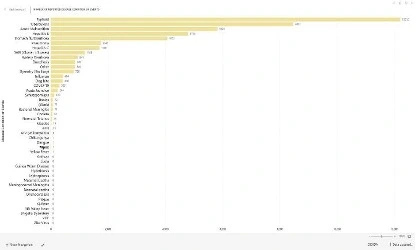
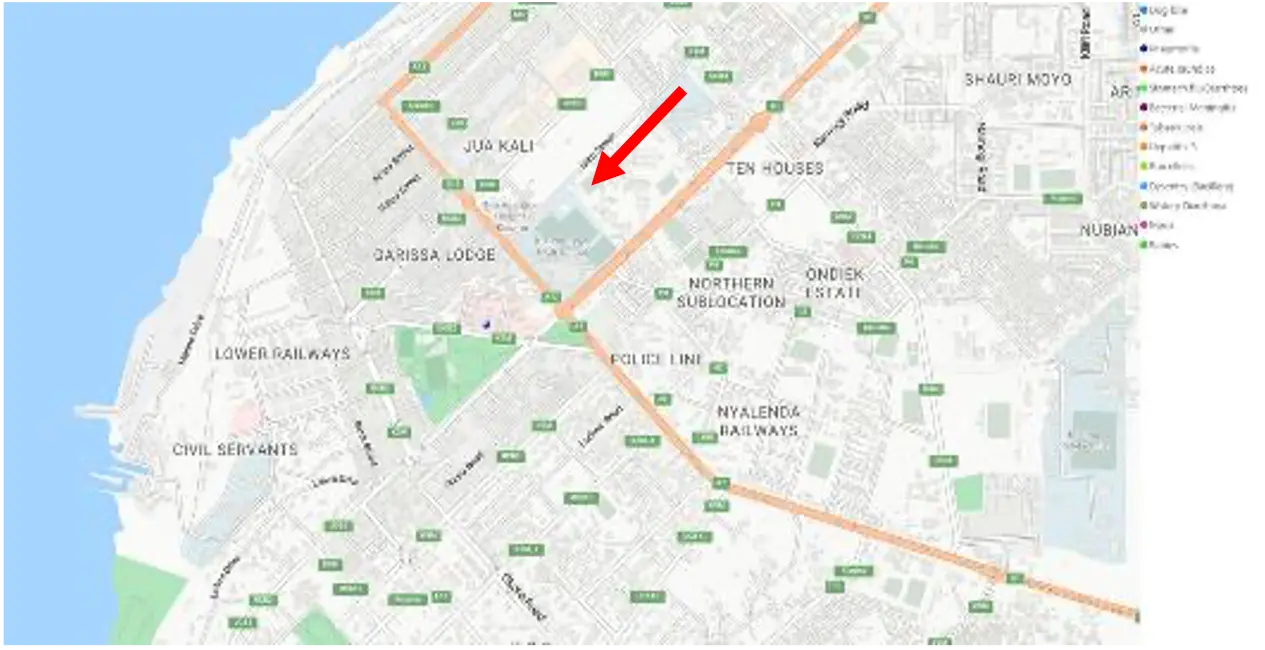
In situations like the Mpox case in Kisumu, such innovations are not theoretical—they are exactly what is needed to reinforce health system resilience. The DIDIDA dashboard that digitalizes weekly IDSR reporting on 27 (infectious) conditions, complemented with an additional 14 conditions, including Mpox identified the infection in Kisumu:
Staying Vigilant While Moving Forward
For now, health authorities in Kisumu have contained the situation and continue to monitor contacts closely. The public has been advised to follow basic preventive measures, including hand hygiene, avoiding close contact with symptomatic individuals, and seeking medical care if symptoms arise.
While there is no indication of widespread transmission at this stage, the situation serves as a timely reminder: preparedness is not optional – it is essential.
Conclusion
The confirmation of a Mpox case in Kisumu is not just an isolated health event—it is a reflection of the evolving landscape of infectious diseases in a globalized world.
It demonstrates both the vulnerabilities that remain and the progress that has been made in strengthening public health responses.
With continued investment in diagnostics, digital tools, and collaborative health systems—such as those developed through DIDIDA—Africa is increasingly equipped not only to respond to outbreaks, but to anticipate and prevent them.
Want to know more?
Are you a student and you want to learn more? A researcher seeking to consult our publications? A citizen eager to better understand the issues? A decision-maker who can promote this innovation? A journalist looking for an engaging story to tell?
